Grey Eminence or Grey Mouse?

Exploring the Power and Subtlety of Autumn’s Most Underestimated Colour
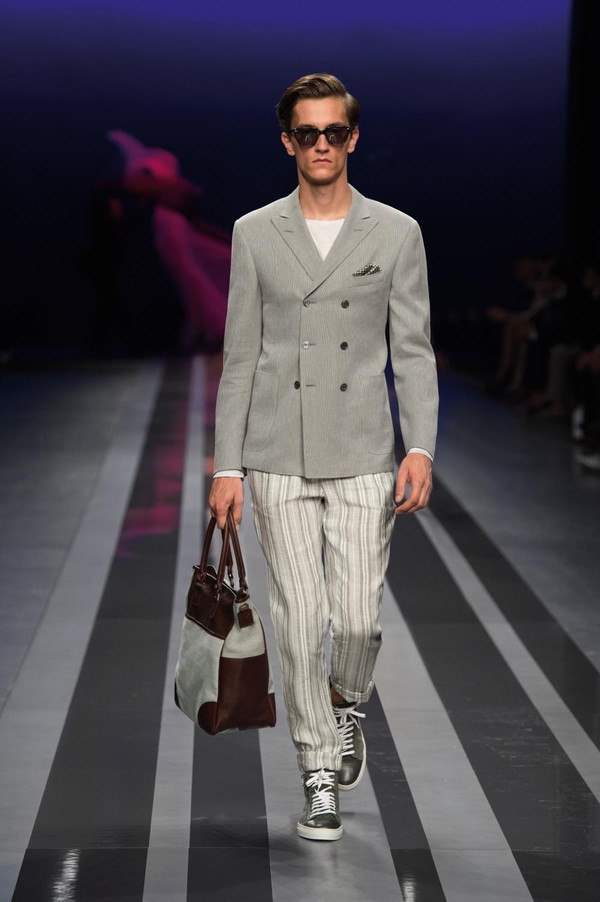
One of this autumn’s standout colours in menswear is grey—a shade often dismissed as dull or uninspiring. Yet grey is anything but boring. In fact, it is one of the most versatile tones in the sartorial palette. It softens bold colours, balances high contrast combinations, and lends a sense of sophistication that is both modern and timeless.
Why Grey Works
Grey serves as an elegant neutral. Where black may create harsh contrasts—especially when paired with bright white, sharp yellow, or intense pink—grey offers harmony. The result is a softer, more refined visual impact. Its ability to tone down vivid hues makes it a strategic choice for anyone seeking elegance with subtlety.

Grey in Business Attire: The Unspoken Standard
In business, grey holds a special place. For many men, the first suit they purchase is grey—and for good reason. Wearing a black suit to the office can appear overly formal or suggest that it’s your only suit, reserved for weddings, funerals, and major events. Grey, by contrast, is a day colour. It blends effortlessly into the cityscape, aligns with the muted tones of overcast days, and offers a dignified anonymity.
For those who frequently appear in public or need to project authority without flamboyance, grey is a powerful choice. It’s professional without being loud—present without demanding attention.
A Colour with Dual Meaning
Historically, grey carries a fascinating dual symbolism. It was once the colour of poverty, worn by those who couldn’t afford dyed garments. Institutional clothing in orphanages, prisons, and almshouses was grey—uniform, functional, and stripped of individuality. From this legacy comes the expression “grey mouse”, denoting someone shy or unremarkable.
Yet in stark contrast, the term “grey eminence” (in Slovenian, siva eminenca) refers to someone who wields significant influence from behind the scenes. It implies quiet power, wisdom, and discretion. These layered meanings give grey a unique cultural depth that continues to influence how we perceive it today.
The British Connection
In the 19th century, as Britain emerged as an industrial and economic powerhouse, grey surged in popularity among men. Its associations with restraint, professionalism, and integrity reflected the era’s values. Grey suits became a uniform for the serious and respectable—an image that still lingers in modern business dress.
Grey in Women’s Fashion
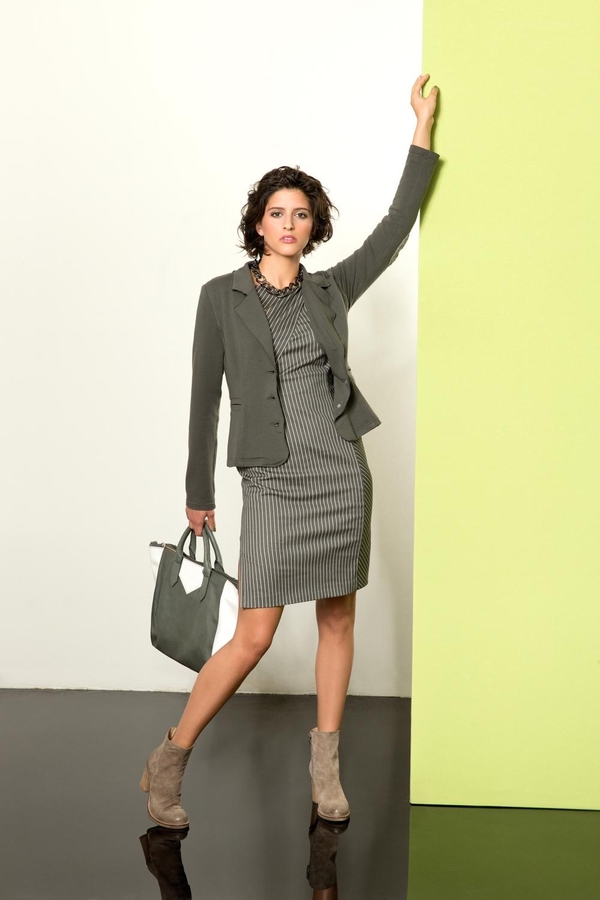
While grey has long been a staple in menswear, it took longer to gain traction in women’s fashion. Not until after the 1960s did grey begin to appear as a colour of elegance in women’s wardrobes. When rendered in luxurious fabrics—cashmere, silk, or brushed wool—it radiates quiet sophistication. But be warned: on low-quality or wrinkled textiles, grey can quickly appear lifeless or inexpensive.
To elevate grey in women’s styling, consider pairing it with vibrant accents—think pink, coral, or orange. These combinations breathe life into grey and offer a modern twist. Seasonal must-haves include a charcoal grey coat, grey suede knee-high boots, a soft poncho, or a cashmere jumper—all of which embody understated style.
In Conclusion:
Grey is more than just a background colour. It can be noble or neutral, modest or majestic—depending on how it’s worn and styled. Whether you lean towards the refined influence of a grey eminence or risk fading into the anonymity of a grey mouse is entirely in how you use the shade. The choice, as always, is yours.