How to Dress Fashionably (and Professionally) in Summer?

Striking the Balance Between Comfort, Style, and Professionalism
Summer brings with it the temptation to relax our wardrobe—lighter fabrics, shorter sleeves, and bolder colors. But when it comes to professional settings, seasonal comfort must still align with the expectations of your role, environment, and image. There is no universal dress code for summer fashion, but there are clear principles for dressing appropriately—especially in the business world.
1. The Role Determines the Rules
Your professional role is the key reference point for your appearance. In strict business environments—such as finance, law, or senior management—your clothing should reflect a degree of formality year-round, even in the warmer months.
2. The Language of Casual
If your aim is to appear approachable, creative, or more relaxed—perhaps in fields like media, tech, or marketing—casual attire is acceptable, even encouraged. But “casual” in a business context doesn’t mean sloppy.
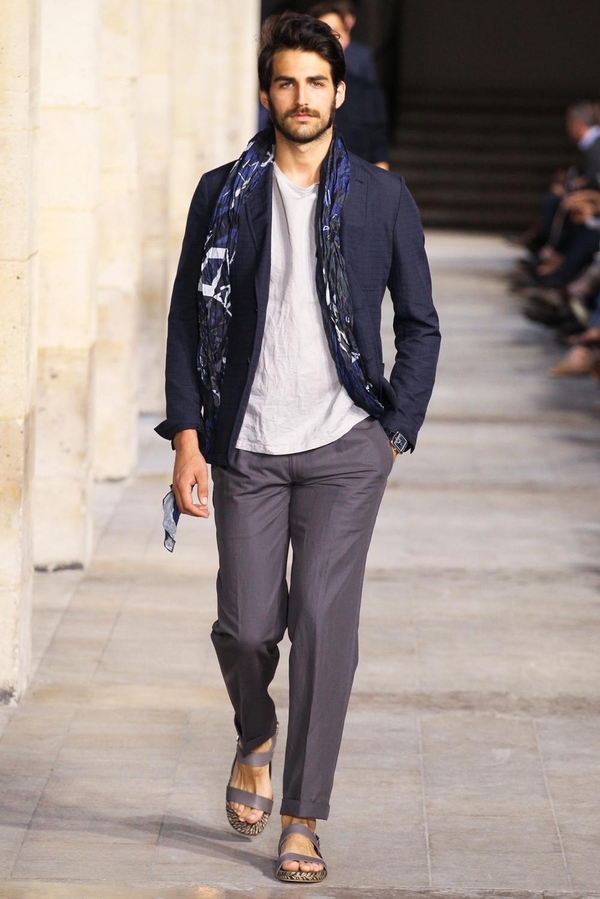
- Men should wear long trousers with clean, plain t-shirts or lightweight shirts.
- Women can choose mid-length skirts or trousers, paired with tops that have at least short sleeves.
- Fabrics like linen and cotton are ideal, especially in lighter hues or subtle patterns. Think breathable, tailored, and polished—not beachwear or weekend casual.
3. Dressing Like a Leader
Those in leadership positions must dress with intention. Your appearance sets the tone for your team and signals authority.
- Men should favour structured garments in darker colours, even during summer, paired with quality leather shoes.
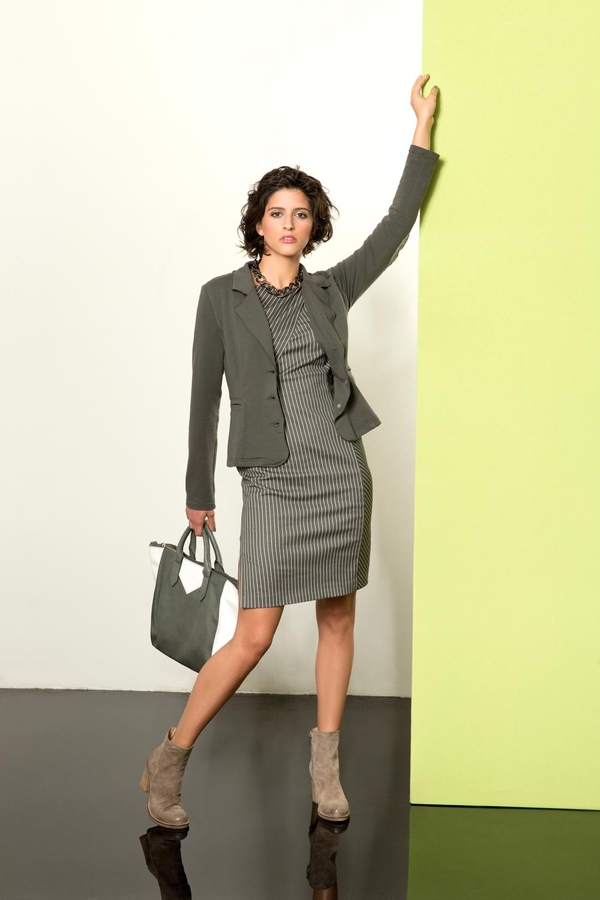
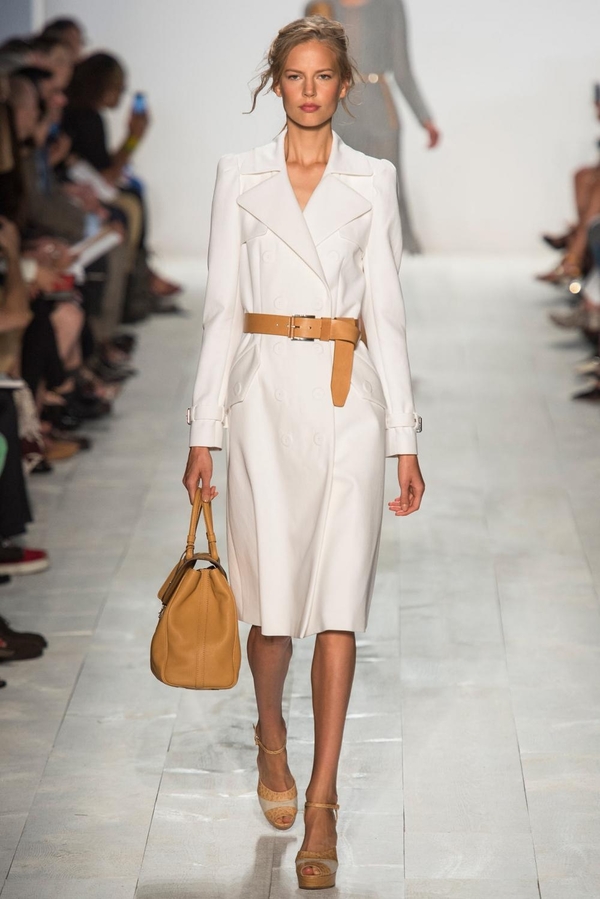
- Women should opt for understated elegance: well-tailored dresses or suits, discreet jewellery, and a polished overall appearance.
If you’re aiming for promotion, model your style on those already in the positions you aspire to. This signals readiness, professionalism, and alignment with company culture.
4. A Note for Women: The Skirt Test
A well-fitted skirt can be both elegant and professional—but watch out for styles that shift when seated.
- A knee-length skirt that becomes too short when you sit down is no longer business-appropriate.
- A practical rule: when seated, the skirt hem should be no more than 4 cm above the knee.
- If you find yourself constantly adjusting or pulling the skirt down, it’s a sign to reconsider the fit or length.
In professional settings, overly short skirts send the wrong message—they suggest a desire to attract attention rather than convey competence.
5. What Not to Wear—Regardless of the Weather
Even in the heat, some items are never acceptable in a professional context:
- Clothing that is too tight or too loose
- Unpressed or wrinkled garments
- Items with frayed hems, missing buttons, or visible wear
- Revealing necklines or visible cleavage
- Dirty or worn shoes
- Clothing with slogans, messages, or large logos
These choices may seem insignificant, but they undermine your credibility, authority, and attention to detail—qualities no professional wants to sacrifice.
In Summary:
Dressing professionally in summer is not about adhering to rigid fashion rules, but about aligning your appearance with your role, your goals, and the culture of your workplace. Fashion and functionality can go hand in hand—you just need to be intentional about every element of your outfit.
The message is simple: your clothes speak before you do. Make sure they’re saying something you’re proud of.