Tips for Choosing the Right Gloves

In the Victorian era, gloves were a symbol of a true gentleman and an essential accessory for attending the theatre or church. Wearing gloves has long been associated with purity. In medieval times, throwing down a glove was a way to challenge someone, while picking it up meant accepting the challenge. Proud nobles were always prepared to cast a glove at an opponent when insulted—or to pick one up when provoked.
In the 18th and 19th centuries, it was unthinkable for a man to remove his glove when shaking hands. This changed only in the 20th century, when gloves became more protective than ornamental. Today, men always remove their gloves before shaking hands—according to modern etiquette, women do as well.

Materials
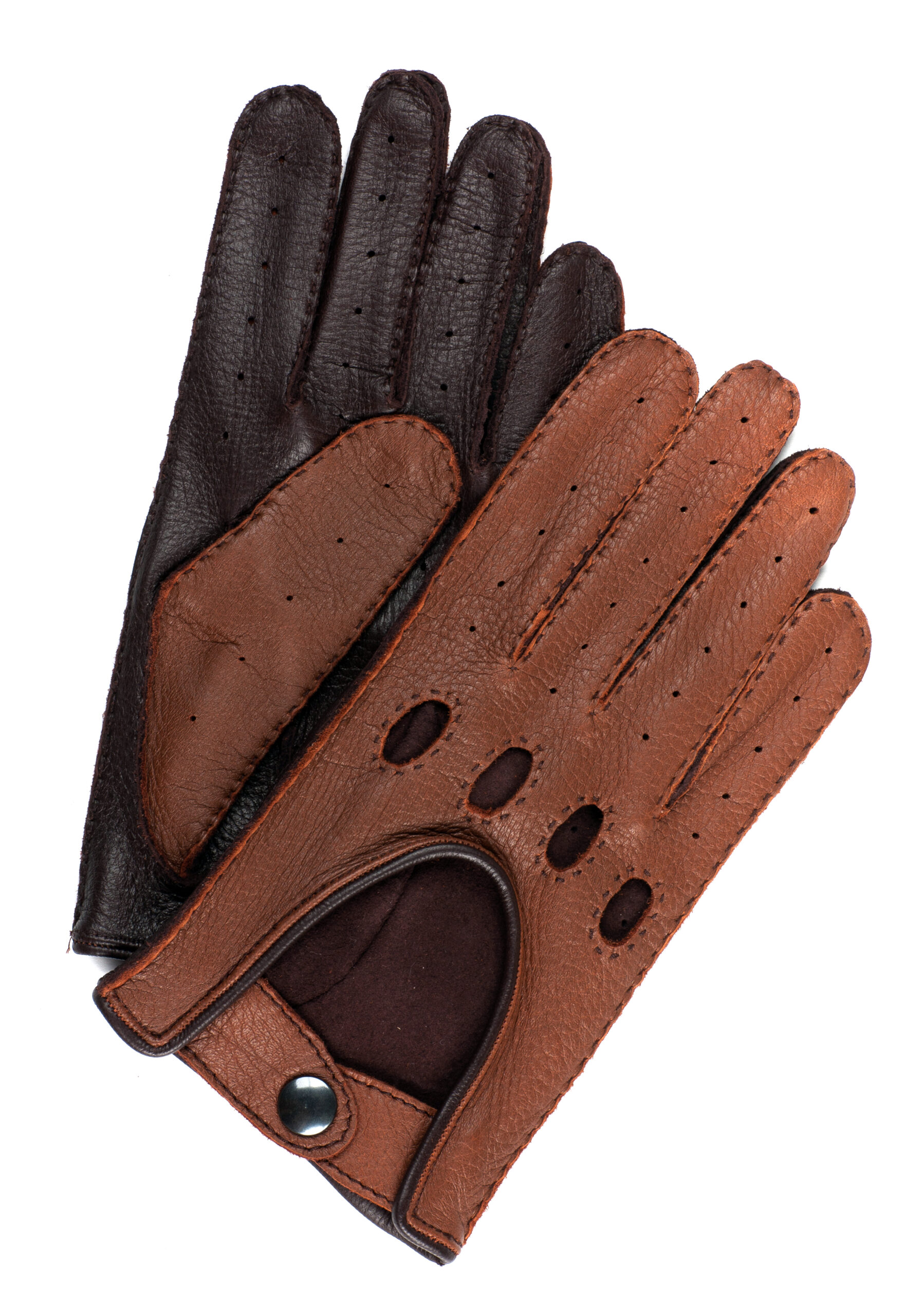
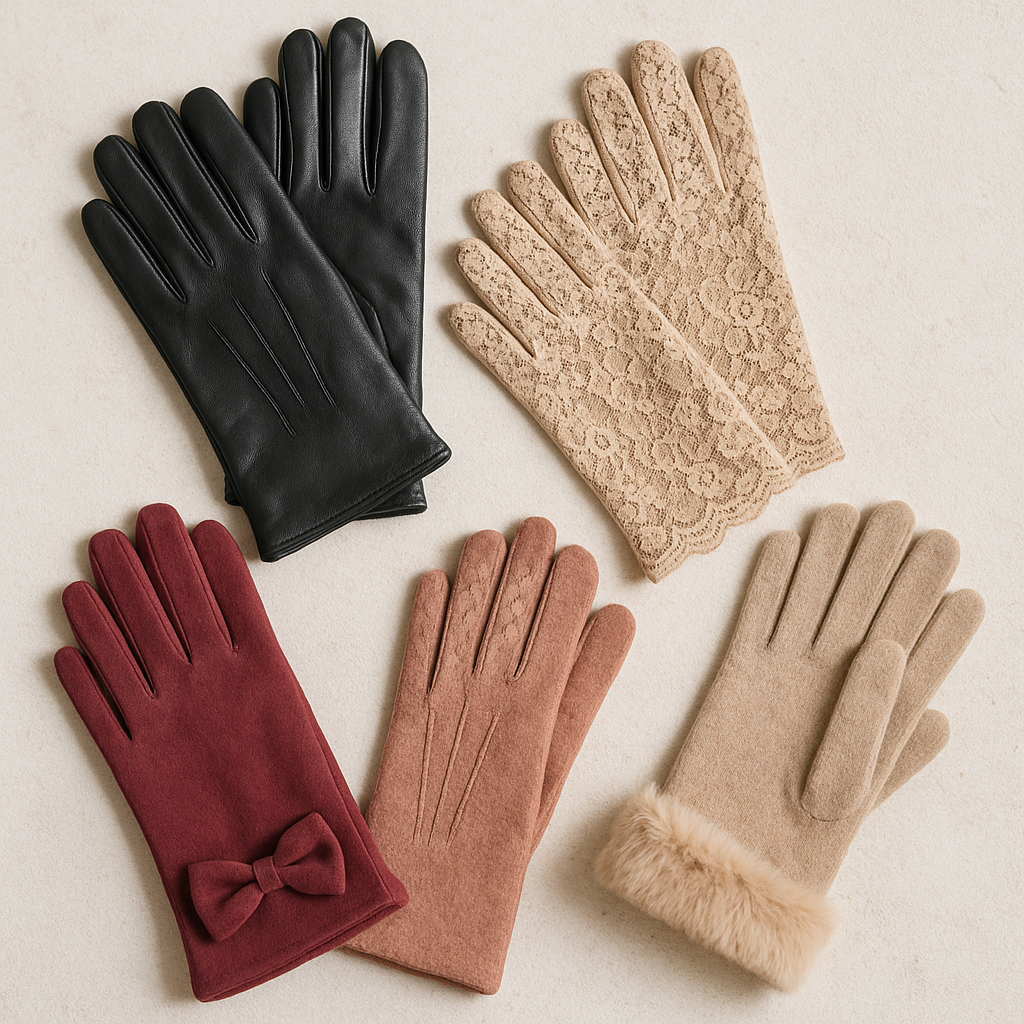
High-quality gloves are made from soft, smooth leather or suede. Lamb and sheep leather feel softer, smoother, and more flexible than cowhide. Stitching can also indicate quality: gloves with more seams are cut more precisely and fit the hand more elegantly. The warmest options are wool gloves, though knitted gloves made from various blends or other materials can still offer plenty of warmth. Modern gloves often have special touchscreen-friendly tips. Athletes can find sport-specific gloves designed for running, cycling, skiing, golf, hockey, hunting, and more.
Finding the Right Size
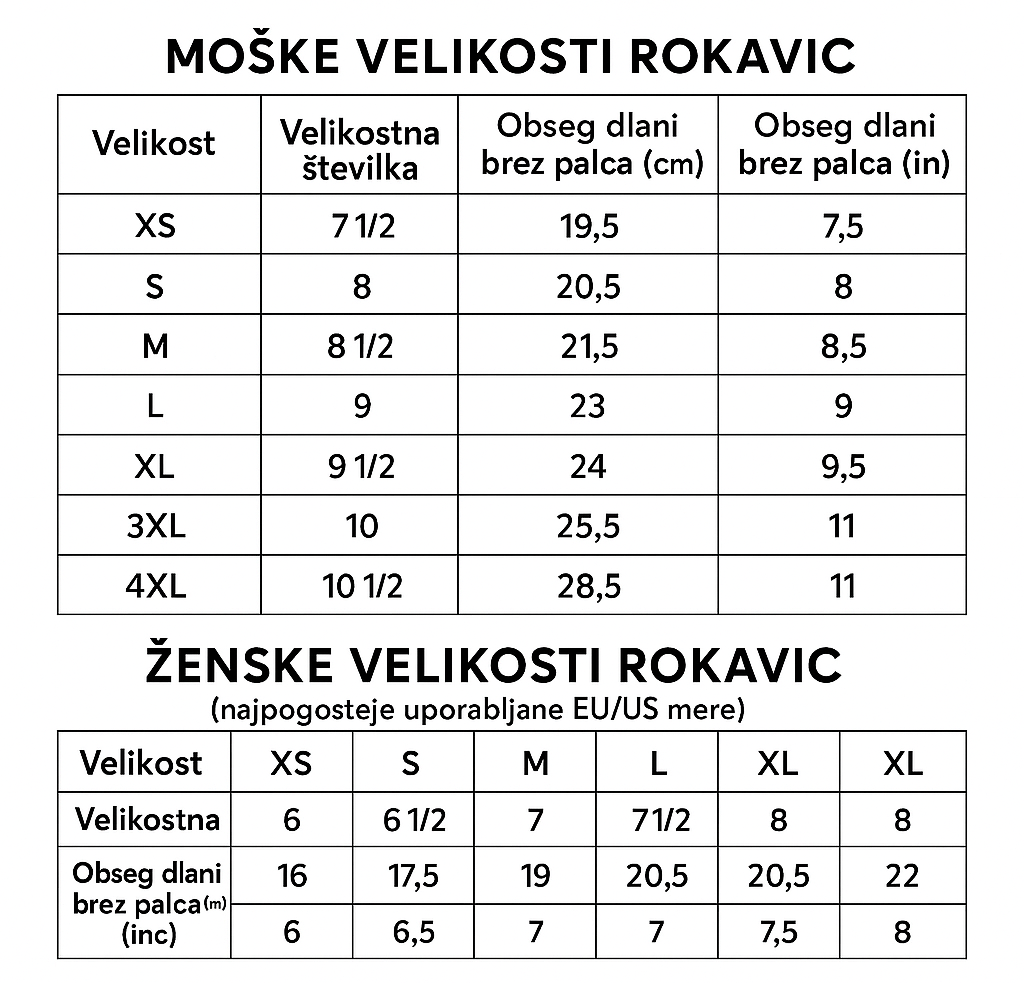
Finding the perfect size isn’t always easy. Gloves are typically sized only by hand circumference (excluding the thumb), not by length. If you have long fingers, suitable gloves may be harder to find.
The fingertips should come close to the ends of the glove, leaving only a few millimeters of space. Pay attention to length as well. Shorter gloves are practical but may leave your wrists exposed to the cold. For this reason, many leather gloves include ribbed knit cuffs that hug and warm the wrist.
Color
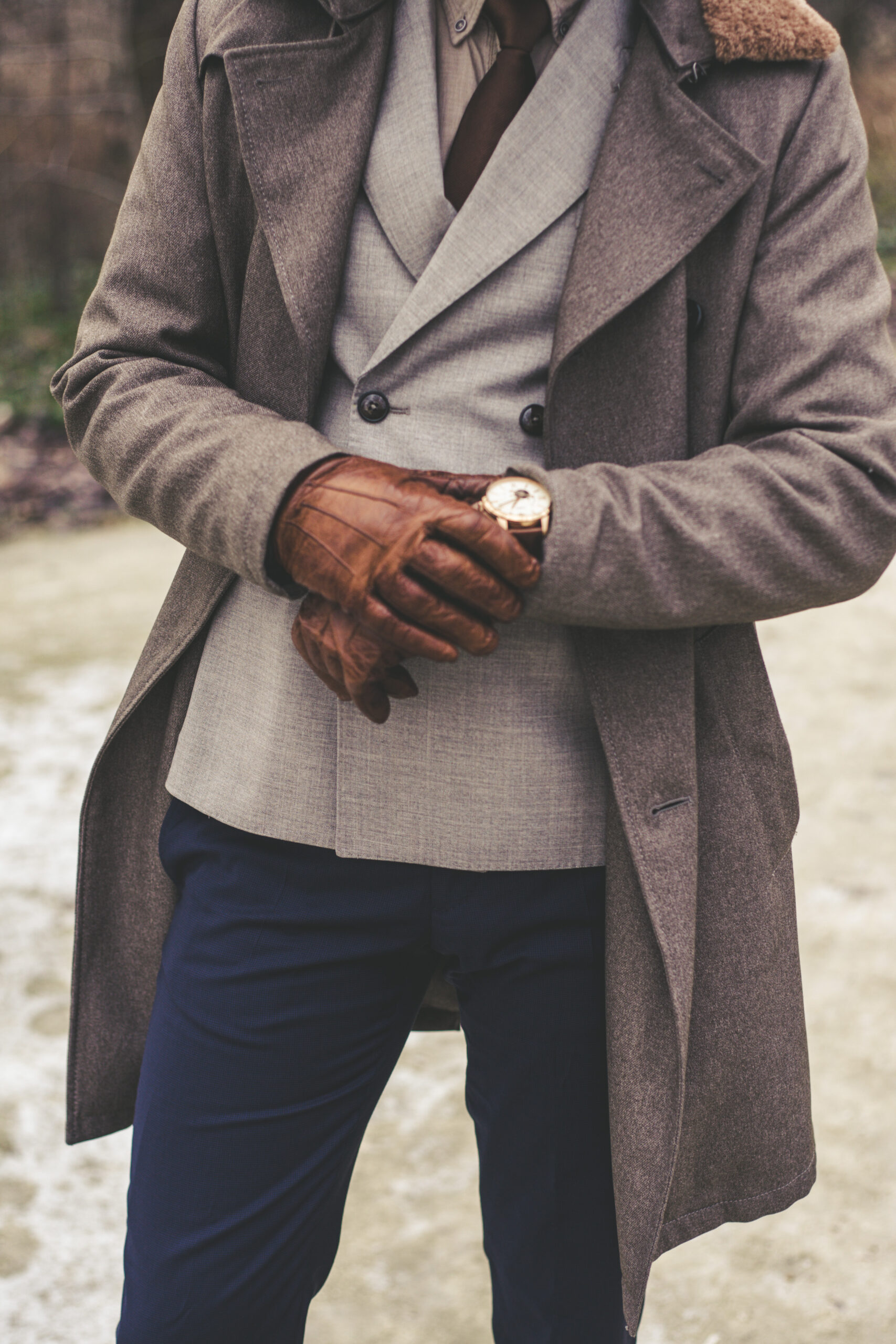
In business settings, glove color should coordinate with your coat and/or shoes. They don’t need to match exactly—being harmonized is enough. The most common colors are black and dark brown, though beige and burgundy can also be stylish choices. The same principles apply to gloves worn with casual outfits.
Lining
The lining is very important. If your hands tend to sweat, choose natural fibers like wool or cotton. If you get cold easily, opt for wool-lined gloves; the most luxurious linings are made of cashmere. Most casual gloves feature linings made from various technical materials. What matters most is that the lining is well sewn in and doesn’t pull out when you remove the glove.
How to Remove Gloves Properly
If you pull too hard when removing your gloves, seams may tear and leather can stretch. To avoid damage, gently tug the glove at the tip of each finger first, and only then remove the entire glove.
Glove Care
All leather requires care. Occasionally wipe your gloves with a damp cloth and apply a neutral leather cream. Leave them overnight so the cream can absorb fully without staining. Never dry wet leather gloves on a radiator—the direct heat will dry out the leather. Wool gloves should be washed by hand, while synthetic gloves can be washed in a machine.